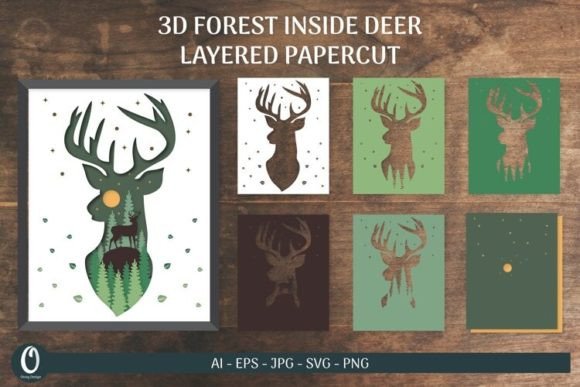
3d Shadowbox Deer Layered Papercut: 3D SVG for Shadow Boxes
In the world of digital publishing, the visual layer is often the first handshake with your audience. As a blog designer who has spent years optimizing editorial layouts for readability and engagement, I have learned that a graphic design asset is never just decoration; it is a functional tool for communication. When evaluating 3d Shadowbox Deer Layered Papercut, I look beyond its aesthetic appeal to understand how it functions within a real content publishing workflow. This review focuses on how this specific design asset can elevate brand identity, improve click-through rates, and support a polished, trustworthy editorial presence across websites, newsletters, and social media channels.
The Editorial Mood and First Impression
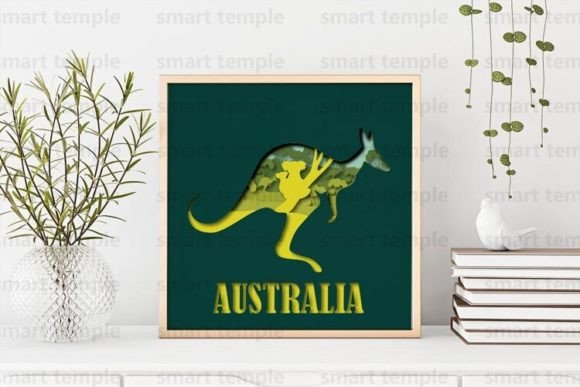
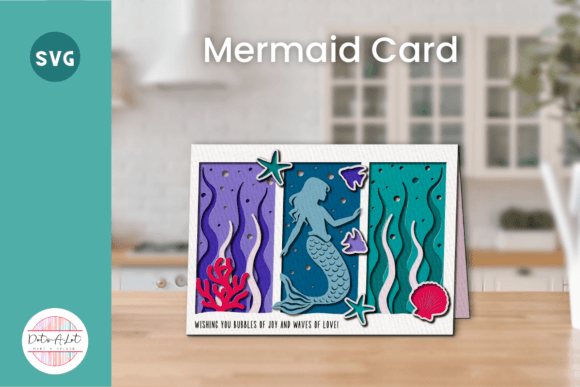
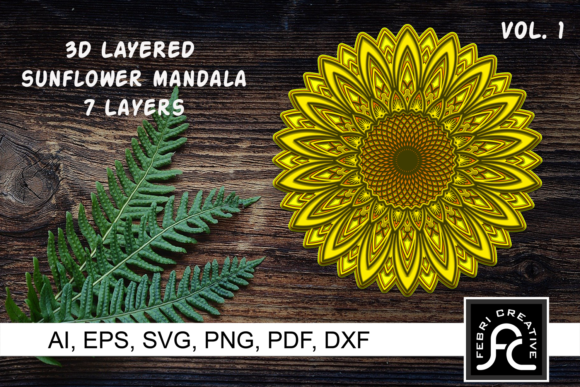
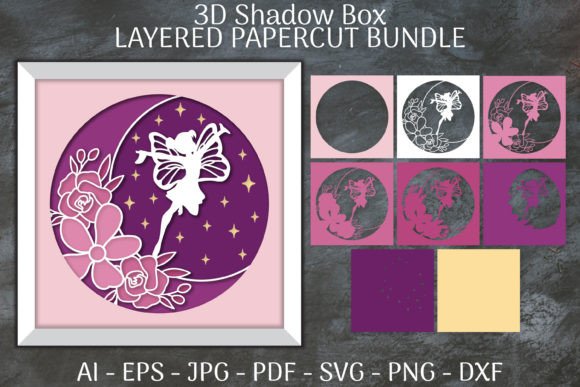
The immediate impression of 3d Shadowbox Deer Layered Papercut is one of refined craftsmanship. In an era where users scroll rapidly through feeds, a design that mimics physical texture and depth commands attention. The layered papercut style creates a sense of tactile reality, which translates surprisingly well into digital spaces. It feels modern design meets artistic tradition, offering a clean yet bold visual hierarchy that stands out against flat, generic stock photography.
This aesthetic naturally supports niches that value lifestyle-focused content, seasonal storytelling, and creative entrepreneurship. Whether you are running a home decor blog, a parenting site, or an affiliate marketing page for handmade goods, this asset brings a feminine, playful, yet professional tone. It suggests quality and care in presentation, which subtly boosts reader trust. When a website header or featured image looks intentionally designed, visitors perceive the content behind it as more credible and valuable.
Integrating Design Assets into Publishing Workflows
For digital marketers and online educators, versatility is key. You will get 7 Сut files in this package, which provides significant flexibility for various content marketing strategies. These are not merely static images but structural layers that allow for dynamic editing. What designs can you create with this product extends far beyond simple display; it becomes a core component of your visual ecosystem.
- Blog Featured Images: Use the layered elements to create custom thumbnails that break the mold of standard rectangular photos. The depth effect helps your post stand out in search results and social feeds.
- Pinterest Pins: Pinterest is a visual search engine. A 3D SVG format allows you to manipulate shadows and layers to create pins that pop off the screen, driving higher click-through potential to your affiliate content or blog posts.
- Digital Guides and Lead Magnets: For newsletter creators, this asset can serve as the cover art for downloadable printables, worksheets, or eBooks. The layered papercut style adds perceived value to free resources, encouraging email sign-ups.
- Website Banners and Headers: Implementing this as a website header establishes a strong visual identity immediately. It signals to the visitor that the site is curated and professionally maintained.
- Social Media Graphics: Beyond pins, these files work beautifully for Instagram carousels, Facebook ads, and LinkedIn articles, ensuring consistent branding across all platforms.
Enhancing Content Performance Through Visual Hierarchy
Good editorial design is about guiding the eye. The 3d Shadowbox Deer Layered Papercut asset supports stronger first impressions by providing a clear focal point. When used correctly, it enhances visual hierarchy, allowing headlines and calls-to-action to remain legible while the background adds context and mood.
Consistent branding is difficult to maintain without reliable design assets. By using this specific motif across category visuals, media kits, and digital ads, you create a recognizable pattern for your audience. Over time, this repetition builds brand recall. Furthermore, the ability to adjust layers means you can tailor the complexity of the graphic to match the density of your text, ensuring that the content remains accessible and easy to read.
Strategic Placement and Best Practices
While this asset is versatile, knowing where it works best is crucial for maintaining editorial quality. It shines in hero images, article thumbnails, and editorial accents where there is ample white space. It is also excellent for content upgrades, such as bonus checklists or resource lists, where you want to signal a premium experience.
However, caution is required in certain contexts. Avoid using this design in small mobile thumbnails where the intricate layers may blur or become indistinguishable. Similarly, steer clear of text-heavy blog images or low-contrast backgrounds where the deer motif might compete with essential information. In serious professional niches, such as corporate finance or legal advice, this playful, artistic style may undermine the authority of your message. For websites requiring a very minimal visual system, the depth effects might feel too decorative rather than functional.
Practical Publisher Notes for Implementation
To ensure this graphic design asset performs optimally, I recommend following a rigorous testing protocol before deploying it on monetized websites or paid content products.
- Responsive Testing: Always test the asset on both desktop and mobile screens. Check how it scales down as a thumbnail and whether the shadow effects hold up on smaller devices.
- Layout Integration: Preview the graphic inside a real blog layout. Does it clash with your existing color palette? Does it disrupt the flow of reading?
- Typography Pairing: Experiment with different font styles. Place the deer graphic beside serif fonts for a classic look, sans-serif fonts for modern clarity, script fonts for elegance, or handwritten fonts for a personal touch. Review file size for web performance to ensure fast loading times.
- Contrast and Readability: Check contrast ratios to ensure accessibility. Try placing the asset over different background colors to verify that text remains readable.
- Licensing Verification: Confirm commercial license terms before using this digital download for affiliate marketing pages or commercial design projects. Ensure you have the right to use Ai, Eps, and Sv files for creating sublimation prints, T-shirts, cards, cups, and posters if you plan to extend the brand into physical products.
Technical Versatility for Creative Entrepreneurs
The inclusion of multiple file formats—Ai, Eps, and Sv—is a significant advantage for designers and small business owners. These vector files ensure scalability without loss of quality, which is essential for high-resolution printing or large-format website banners. The layered nature of the 3D SVG allows for endless customization. You can recolor individual layers to match seasonal themes, adjust opacity to create softer shadows, or separate elements to use them independently in different parts of your layout.
This flexibility supports a wide range of applications, from paper cutting crafts to sublimation designs. It bridges the gap between digital content marketing and tangible products, allowing you to create a cohesive brand experience that spans from your blog to your Etsy shop. By leveraging these design assets effectively, you can produce professional-looking content pages that resonate with readers and drive engagement.
Final Thoughts on Editorial Value
In conclusion, 3d Shadowbox Deer Layered Papercut is more than just a cute clipart; it is a strategic tool for enhancing the visual communication of your digital properties. It offers the depth and texture needed to compete in a crowded online landscape, provided it is used with editorial intent. For bloggers, publishers, and content creators looking to refine their brand identity and improve user experience, this asset delivers the polish and professionalism required to build lasting reader trust. When integrated thoughtfully into your web design and content strategy, it transforms ordinary posts into memorable visual experiences.