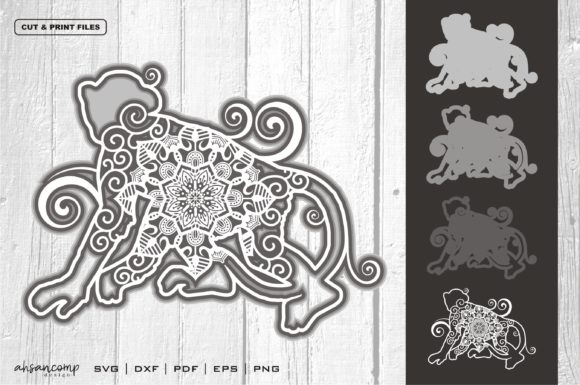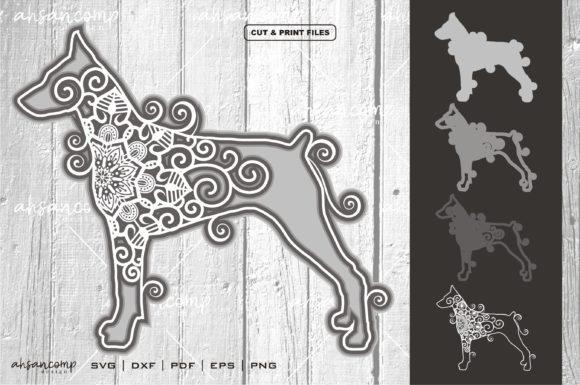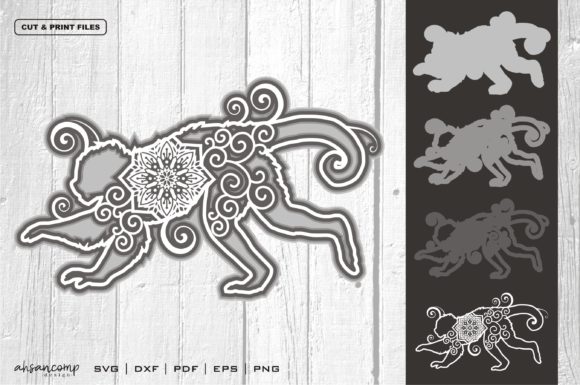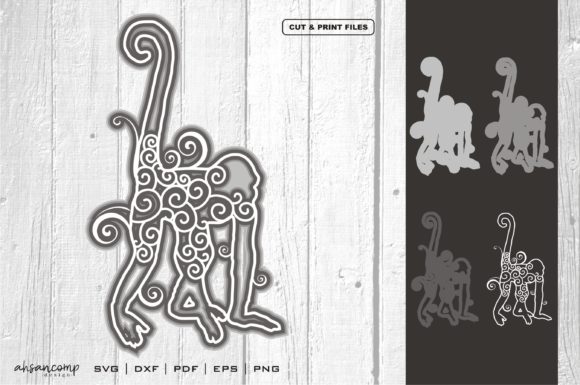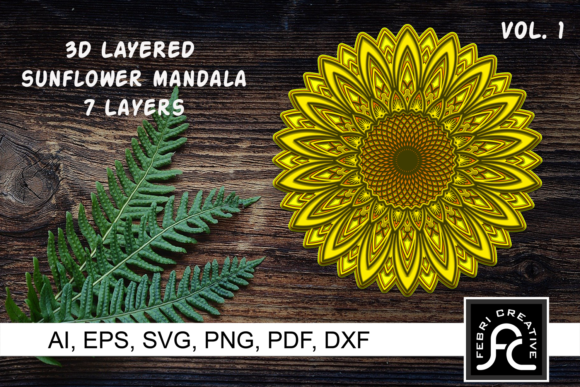
3D Layered Sunflower Mandala: A Designer’s Take on 3D SVG for Shadow Boxes
When I first opened the folder containing the 3D Layered Sunflower Mandala, my immediate reaction was one of cautious optimism. As a brand designer who has spent years helping local businesses—from artisanal bakeries to boutique skincare lines—establish a visual identity that actually sells, I am always looking for assets that bridge the gap between digital convenience and physical presence. This particular design asset is not just a flat image; it is a complex arrangement of layers designed to create depth, texture, and dimension. In this review, I will evaluate how this 3D SVG fits into real-world small business branding, specifically focusing on its application in product packaging, promotional materials, and shadow box displays.
The Mood and Brand Personality
The sunflower mandala is a powerful symbol. It combines the warmth and approachability of a sunflower with the intricate, spiritual geometry of a mandala. The result is a visual language that feels both organic and structured. When applied to a brand, this aesthetic suggests several key personality traits: it is friendly yet sophisticated, handmade yet precise, and festive yet grounded. For a local business owner, this means the asset can serve as a versatile anchor for various brand identities.
I see this working exceptionally well for brands that want to communicate natural ingredients, handcrafted quality, or joyful celebration. Imagine a local honey producer using these layered petals to suggest the complexity of their harvest. Or picture a wedding florist using the mandala structure to imply attention to detail and artistic flair. The mood is undeniably premium but remains accessible. It avoids the coldness of corporate minimalism while steering clear of the chaotic clutter often found in generic clipart. Instead, it offers a balanced, modern design that feels intentional.
Practical Applications in Packaging and Labels
One of the most critical aspects of small business branding is shelf appeal. When a customer picks up a jar of soap, a bag of coffee, or a box of candles, they make a split-second decision based on visual cues. This is where the technical advantage of a 3D SVG becomes apparent. Because the file includes multiple layers (typically eight separate SVG files, including one composite layer), you are not limited to a single flat graphic. You can manipulate the depth, spacing, and color of each petal or geometric segment to create a truly tactile look on screen or in print.
For product labels, this asset shines. Rather than slapping a flat sticker on a bottle, you can use the layered elements to create a "sticker within a sticker" effect. By printing different layers on different colored cardstocks or using foil stamping techniques for specific segments, you elevate the perceived value of the product. This is particularly effective for food labels, cosmetic jars, and gift boxes. The visual hierarchy created by the concentric circles of the mandala naturally draws the eye to the center, which is an ideal placement for your logo or product name. This ensures that your brand message is the focal point, supported by the decorative elements rather than competing with them.
Elevating Marketing and Social Media Visuals
Beyond physical products, this design asset is incredibly potent for digital marketing. In the crowded space of social media graphics, static images often get lost in the feed. However, a graphic that simulates depth and layering stands out. You can use the individual SVG layers to create animated content for Instagram Reels or TikTok, where the petals might slowly unfold or rotate, creating a mesmerizing effect that encourages users to stop scrolling.
For website banners and email newsletters, the mandala serves as a beautiful header or footer element. It adds a touch of editorial design sophistication without overwhelming the text. When used in promotional ads, the vibrant potential of the sunflower theme captures attention quickly. Furthermore, because the file is vector-based (SVG), it scales infinitely. Whether you are designing a tiny social media avatar or a large outdoor banner for a local farmers market, the lines remain crisp and professional. This scalability is crucial for maintaining consistent brand identity across all touchpoints.
Strategic Considerations and Cautions
While the 3D Layered Sunflower Mandala is a robust tool, it is not a one-size-fits-all solution. There are specific scenarios where this asset should be used with care. First, avoid using it for formal corporate branding or luxury minimalist brands. The ornate nature of the mandala may clash with a sleek, monochromatic aesthetic that relies on negative space. Similarly, if you are designing for a very small label, such as a spice jar or a perfume vial, the intricate details of the seven layers may become muddy or indistinguishable when printed at a small scale. In these cases, simplifying the design or using only the central core of the mandala would be more effective.
Another cautionary note involves background contrast. Because the design is detailed, it requires a clean, high-contrast background to breathe. Using it on a busy, patterned, or low-contrast background will cause the visual hierarchy to collapse, making the design look cluttered and unprofessional. Additionally, be mindful of the text placement. Do not let the decorative elements compete with important legal information, ingredient lists, or pricing. The mandala should frame the information, not obscure it.
Designer’s Checklist for Implementation
To ensure you get the most out of this digital product, I recommend following a few practical steps before finalizing your designs:
- Test on Mockups: Always preview the design on realistic product mockups. Seeing the mandala wrapped around a curved jar or folded on a box helps you judge how the 3D effect translates to reality.
- Check Color Versatility: Preview the asset in black and white to ensure the structure holds up without color. Also, test it against your brand’s primary color palette to ensure harmony.
- Font Pairing: Experiment with different typography styles. The mandala pairs beautifully with elegant serif fonts for a classic look, or clean sans-serif fonts for a modern feel. Avoid overly decorative script fonts that might clash with the geometric precision of the mandala.
- Verify Licensing: Before using this asset for commercial design projects, physical product sales, or client work, double-check the commercial license terms. Ensure you have the right to use the design for resale items.
- Inspect Vector Editability: Open the SVG files in your preferred design software. Check if the layers are grouped logically and if paths are clean. This makes future edits, such as changing colors or resizing specific segments, much easier.
In conclusion, the 3D Layered Sunflower Mandala is a high-quality graphic design asset that offers significant value for local business owners and creative entrepreneurs. Its ability to add depth, warmth, and professional polish to packaging and marketing materials makes it a worthy addition to any brand toolkit. By understanding its strengths and respecting its limitations, you can leverage this 3D SVG to create stunning shadow boxes, memorable labels, and cohesive brand identities that resonate with customers.