3D SVG Faith Shadow Boxes: A Publisher’s Review
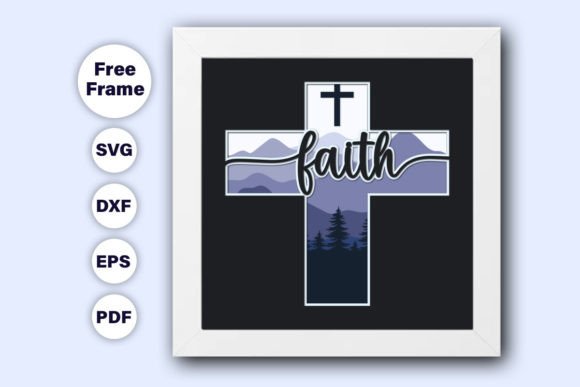
In the world of digital publishing, visual hierarchy is not just an aesthetic choice; it is a functional necessity. As a blog designer and content strategist, I spend countless hours evaluating how graphic design assets impact reader retention, click-through rates, and overall brand trust. Recently, I examined a specific asset titled Faith Shadow Box, 3d Faith Shadow Box. This multilayer paper cut file offers a unique opportunity for creators in the lifestyle, faith-based, and creative niches to elevate their editorial presence. Below is a detailed review of how this 3D SVG integrates into real-world publishing workflows.
First Impressions and Editorial Mood
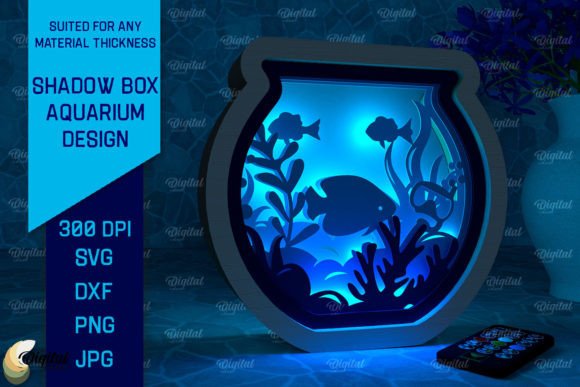
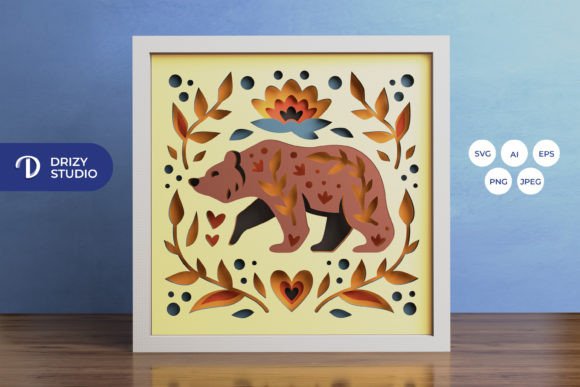
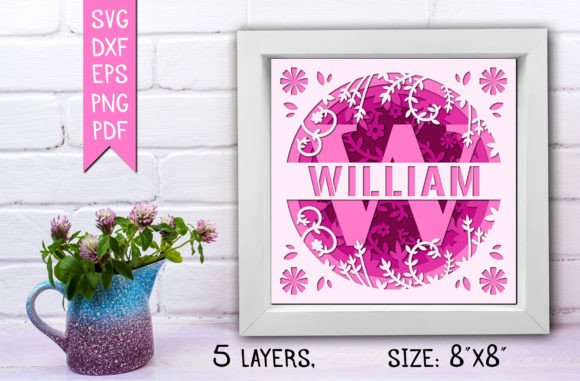
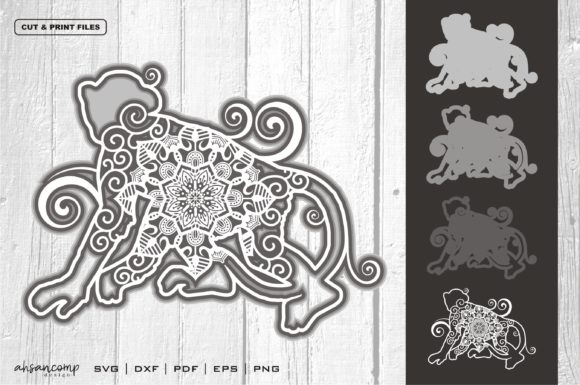
The immediate appeal of the Faith Shadow Box, 3d Faith Shadow Box lies in its depth and dimensionality. Unlike flat vector icons or standard illustrations, this graphic design asset creates a sense of physical space through layered paper-cut aesthetics. For a publisher, this translates to a design that feels tactile and intentional. It evokes a mood that is both artistic and serene, making it highly suitable for content that aims to inspire, educate, or provide comfort.
From an editorial standpoint, the asset leans towards a modern, clean, yet decorative style. It avoids being overly busy, which is crucial for maintaining readability on web pages. The shadow box effect adds a layer of sophistication that can help a website stand out in a crowded niche. Whether you are running a personal devotional blog, a small business focused on Christian merchandise, or a creative entrepreneur sharing DIY tutorials, this visual identity supports a narrative of craftsmanship and thoughtfulness. It signals to the reader that the content behind the image is polished and cared for.
Integrating 3D SVG Assets into Publishing Workflows
One of the most significant advantages of receiving this as a 3D SVG file is its versatility across multiple platforms. In my workflow, consistency is key to building brand recognition. Here is how this asset fits into various stages of content creation:
- Blog Featured Images: The layered nature of the Faith Shadow Box, 3d Faith Shadow Box provides excellent contrast against solid or gradient backgrounds. When used as a hero image, it draws the eye immediately, increasing the likelihood of a click from search results or social feeds.
- Pinterest Graphics: Pinterest is a visual search engine where depth and clarity win. This 3D SVG renders beautifully when exported as a high-resolution PNG. It works exceptionally well for pins promoting digital guides, printable worksheets, or inspirational quotes, offering a premium look that encourages saves and clicks.
- Email Newsletters: In newsletter headers or sidebar graphics, this asset adds a focal point without overwhelming the text. It breaks up monotonous blocks of copy and reinforces the thematic identity of the email campaign.
- Digital Products and Lead Magnets: If you are creating a downloadable resource, such as a prayer journal, a study guide, or a set of printables, this shadow box design serves as an excellent cover element. It elevates the perceived value of the freebie, encouraging higher opt-in rates for your email list.
- Social Media Ads: For affiliate marketing campaigns or product launches, the distinct layers of the 3D Faith shadow box create visual interest that stops the scroll. It helps differentiate paid promotions from organic content, signaling quality to potential customers.
Impact on Content Performance and Reader Trust
Visual communication directly influences user behavior. By incorporating a high-quality graphic design asset like the Faith Shadow Box, 3d Faith Shadow Box, publishers can enhance several key performance metrics:
- Stronger First Impression: A professional-looking header or thumbnail suggests that the content within is reliable and well-researched. Readers are more likely to engage with sites that demonstrate attention to detail.
- Clearer Visual Hierarchy: The depth created by the shadow box effect naturally guides the viewer’s eye. When paired with clear typography, it helps establish a logical flow of information, ensuring readers notice the headline before diving into the body text.
- Improved Brand Identity: Consistently using similar 3D SVG elements across your website, social media, and email newsletters builds a cohesive brand identity. Over time, this consistency fosters trust and loyalty among your audience.
- Better Click-Through Potential: In feed-based environments like Pinterest or Instagram, distinctive visuals perform better. The unique texture of the paper cut design makes your content visually memorable, increasing the chances of engagement.
Strategic Placement and Best Use Cases
To maximize the effectiveness of this asset, strategic placement is essential. The Faith Shadow Box, 3d Faith Shadow Box shines brightest in areas where visual impact is prioritized over dense information density.
Where it works best:
- Hero Images and Website Headers: Use full-width versions to set the tone for your homepage or landing pages.
- Article Thumbnails: Smaller, cropped versions work well for category pages and recent post grids.
- Editorial Accents: Use subtle layers as background elements behind quotes or call-out boxes to add texture without distracting from the message.
- Downloadable Resources: Incorporate into eBook covers, worksheets, and printables to give them a professional, finished look.
Where to use carefully:
- Small Mobile Thumbnails: On very small screens, complex layers may blur or become indistinguishable. Ensure the core shape remains recognizable at reduced sizes.
- Text-Heavy Blog Images: Avoid placing this asset directly behind large blocks of text. The shadows and layers can compete with the words, reducing readability.
- Low-Contrast Backgrounds: The design relies on light and shadow to create depth. Placing it on a similarly colored background will flatten the effect and reduce its impact.
- Corporate or Serious Professional Niches: While beautiful, the playful, artistic nature of a paper cut shadow box may not align with the strict minimalism required in legal, financial, or medical corporate communications.
Practical Publisher Notes for Implementation
Before integrating the Faith Shadow Box, 3d Faith Shadow Box into your live site, consider these technical and design checks:
Test Across Devices: Always preview your graphics on desktop, tablet, and mobile screens. Ensure that the 3D effect holds up on smaller viewports and does not cause layout shifts or loading delays.
Check Contrast and Readability: Place the graphic next to your primary font styles—serif, sans-serif, script, and display fonts. Verify that the text remains legible against the varied tones of the shadow box layers. Adjusting opacity or adding a subtle overlay can help balance the composition.
Optimize File Size: Although the source is a 3D SVG, exporting for web usually requires rasterization. Compress your final PNGs properly to maintain fast page load speeds. Slow websites hurt SEO and user experience, so never sacrifice speed for visual flair.
Review Licensing: Confirm the commercial license terms. If you are using this asset on monetized websites, affiliate pages, or as part of a paid digital product, ensure you have the right to do so. Most marketplaces offer clear guidelines, but it is vital to verify that your usage falls within the permitted scope.
The Faith Shadow Box, 3d Faith Shadow Box is more than just a decorative element; it is a tool for enhancing editorial quality and brand perception. By understanding its strengths and limitations, publishers can leverage this 3D SVG to create compelling, trustworthy, and visually stunning content that resonates with their audience.